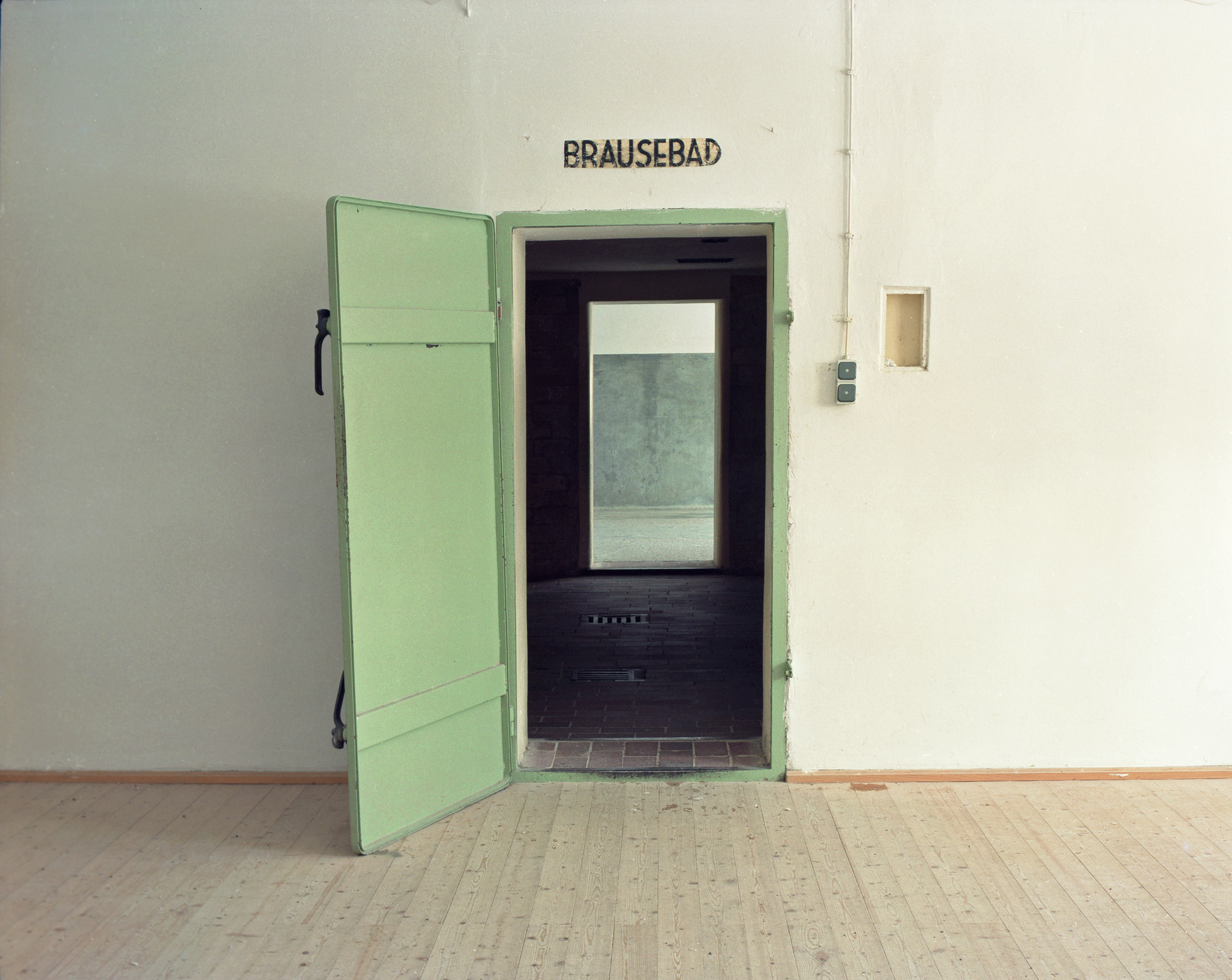
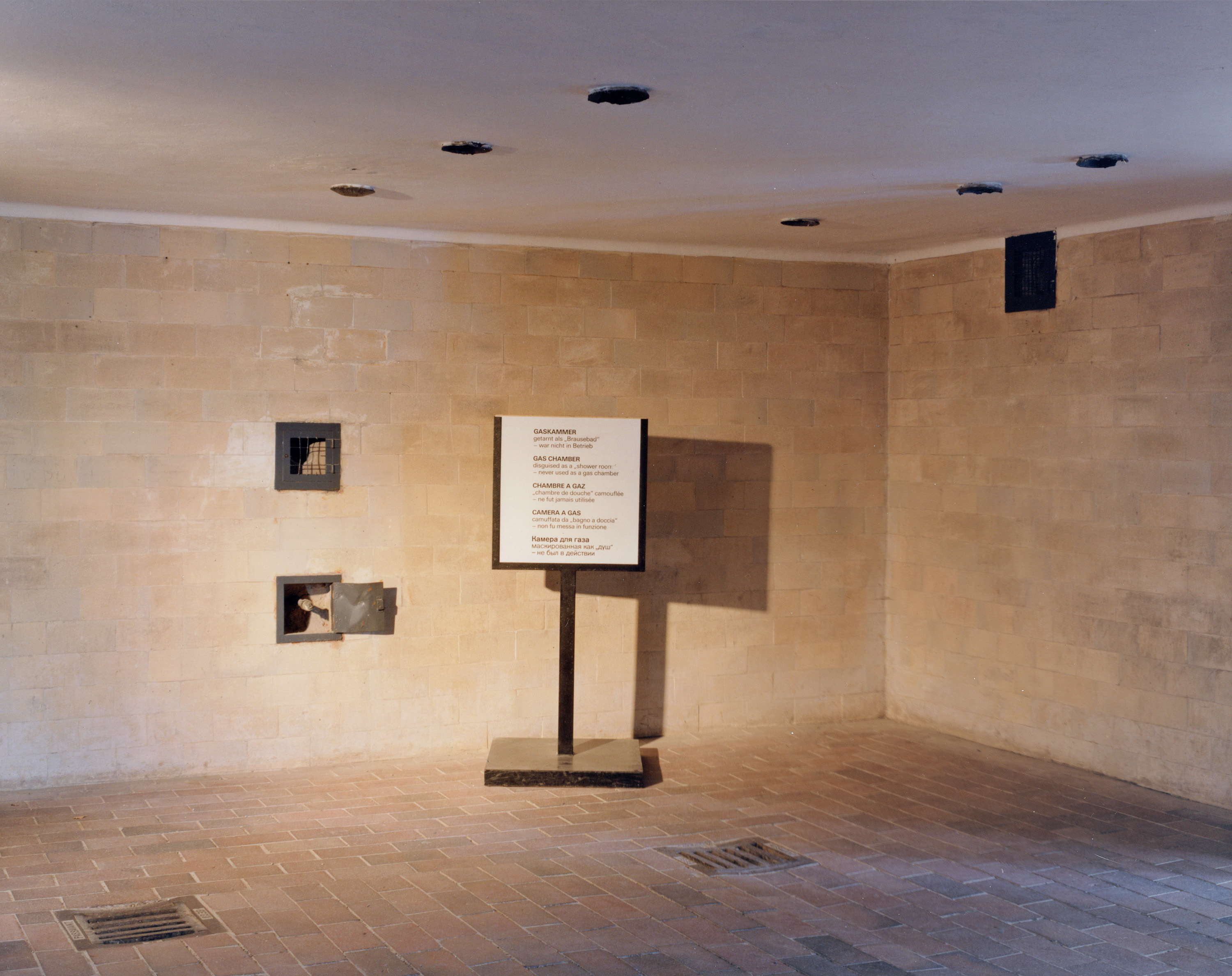
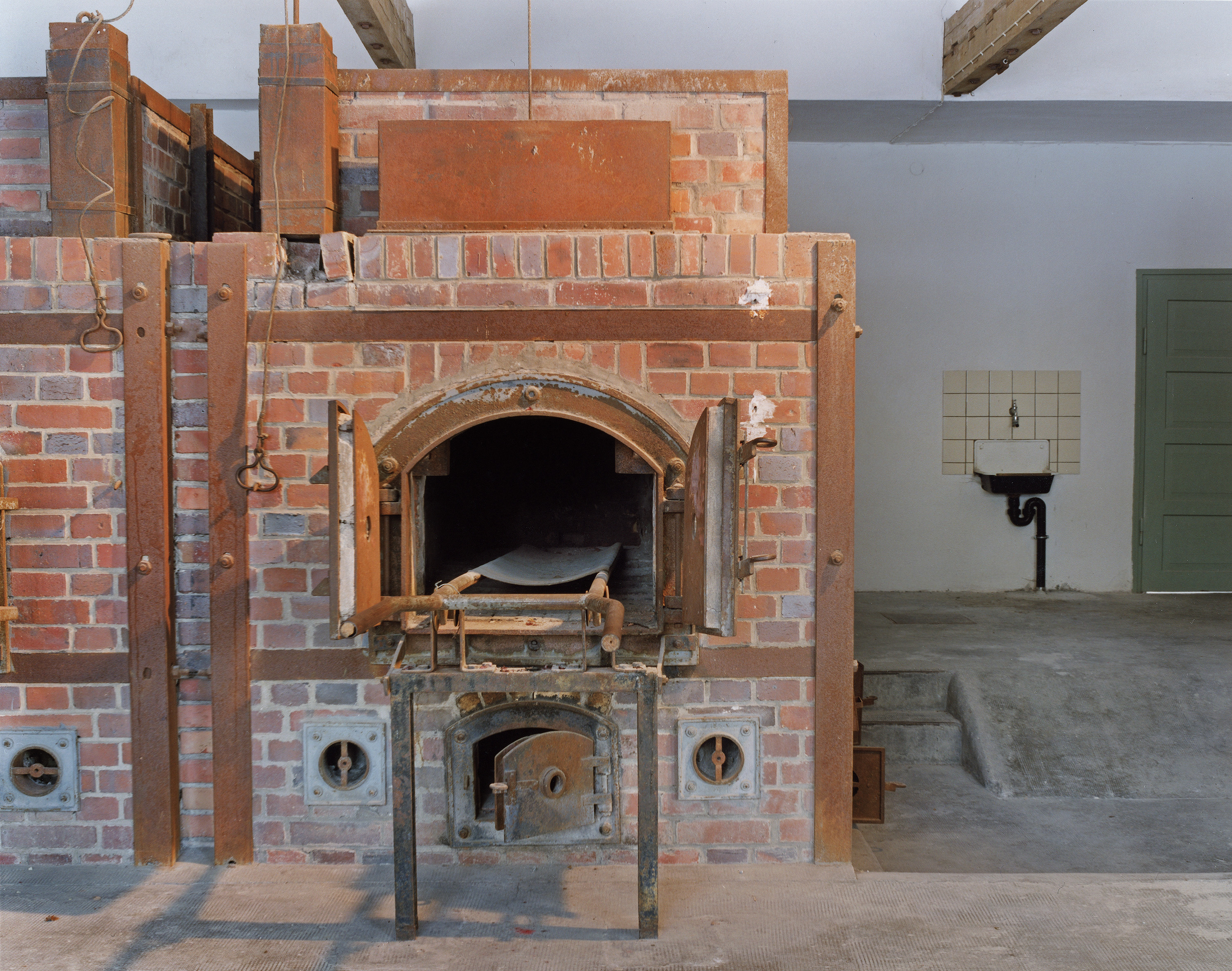
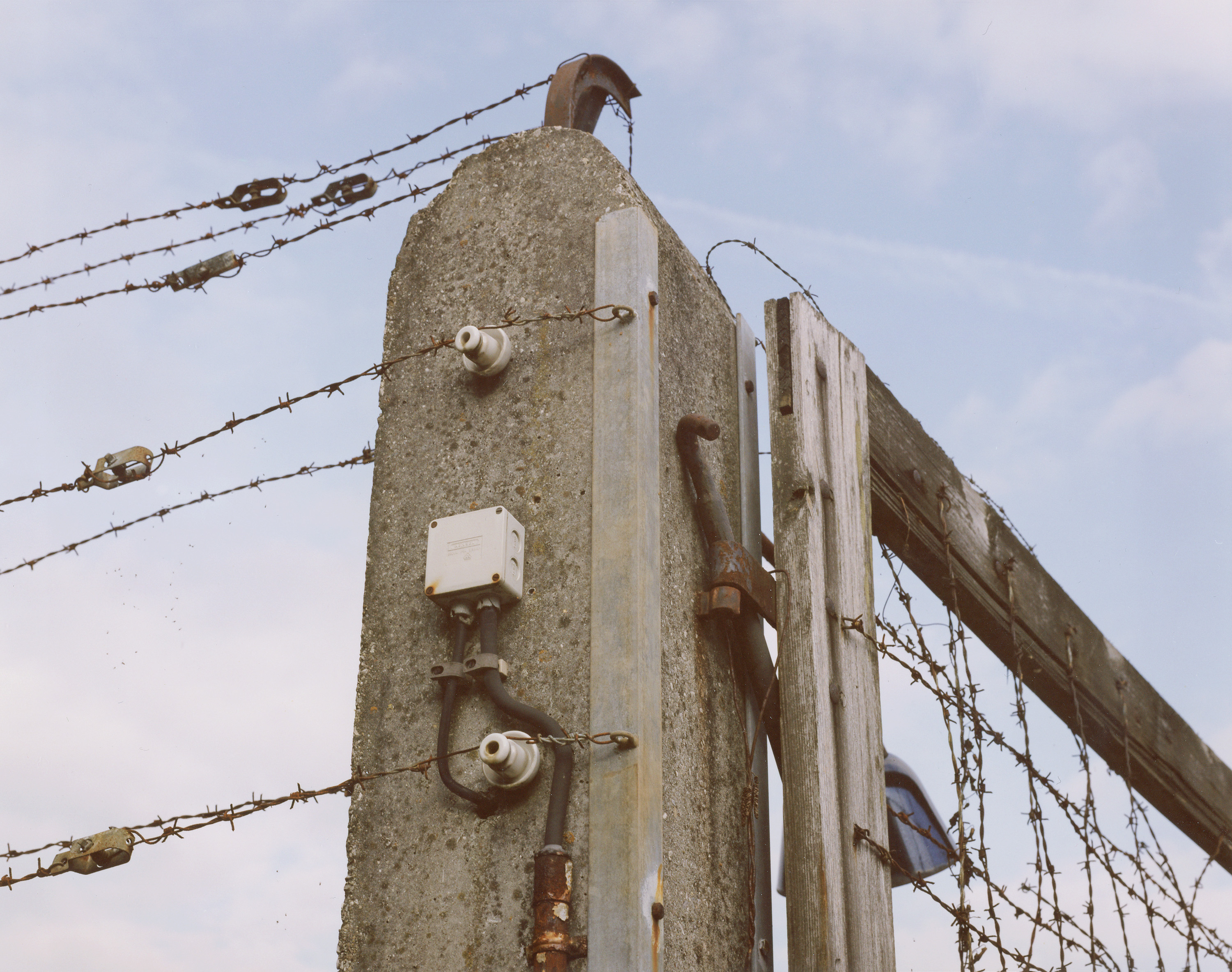
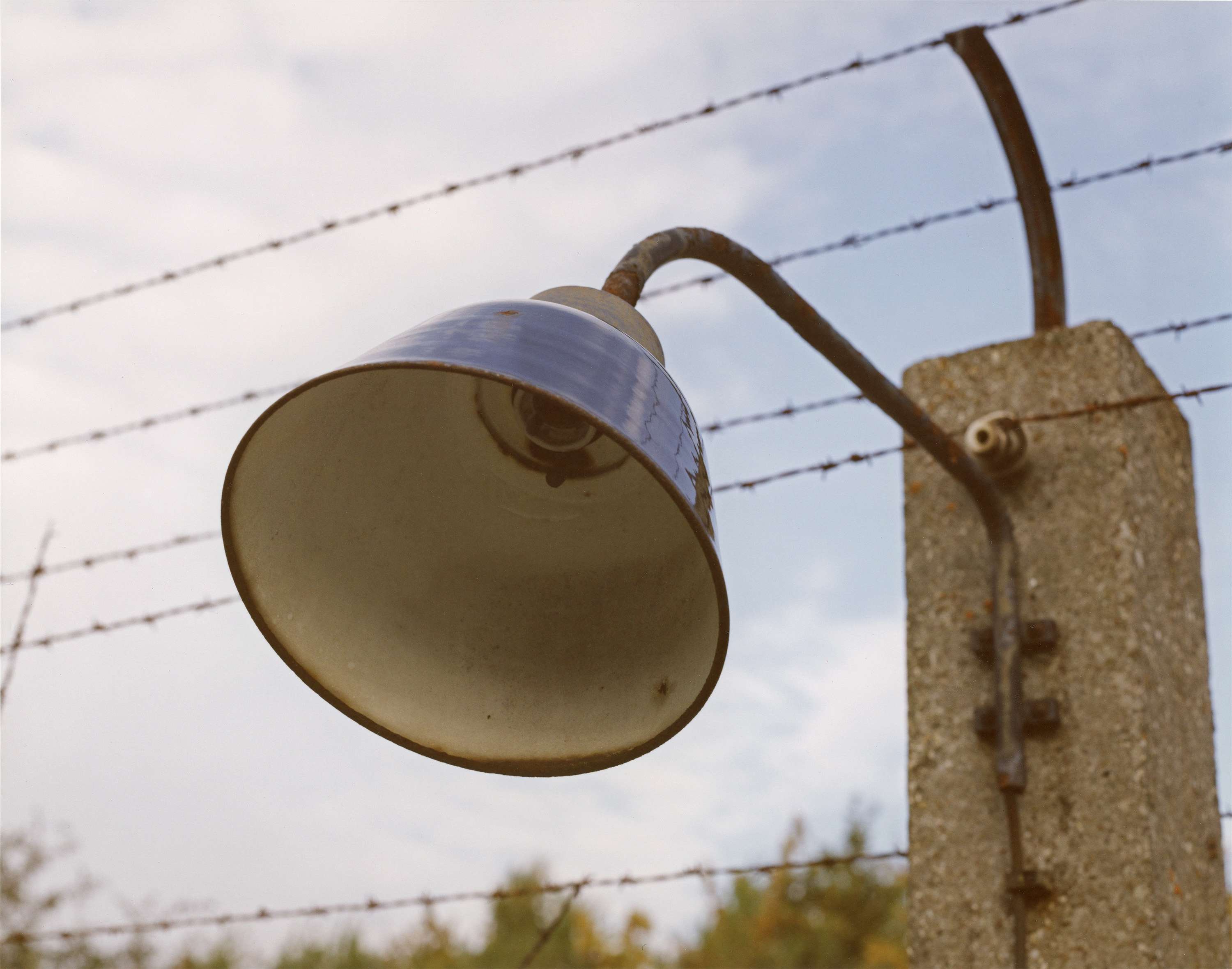
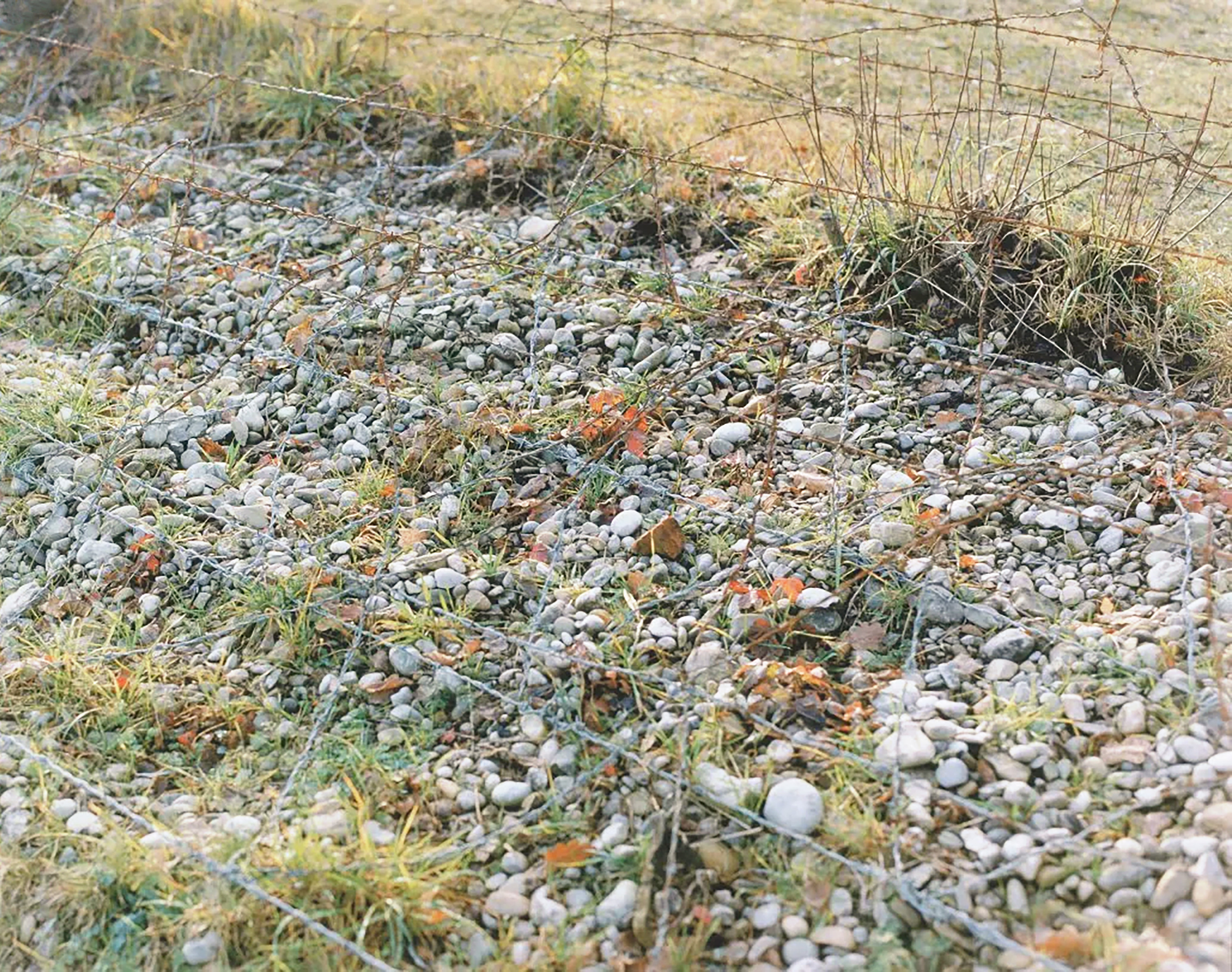
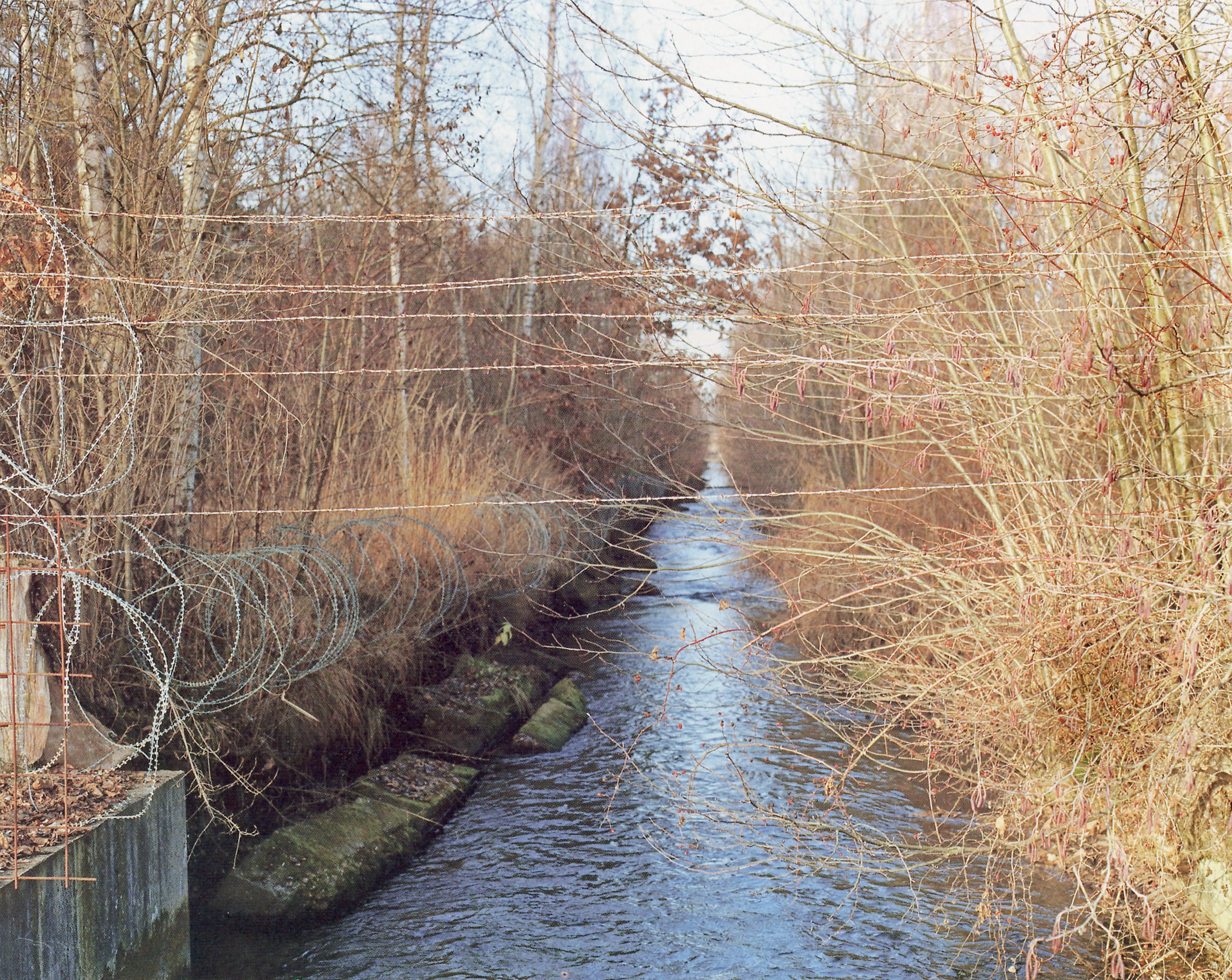
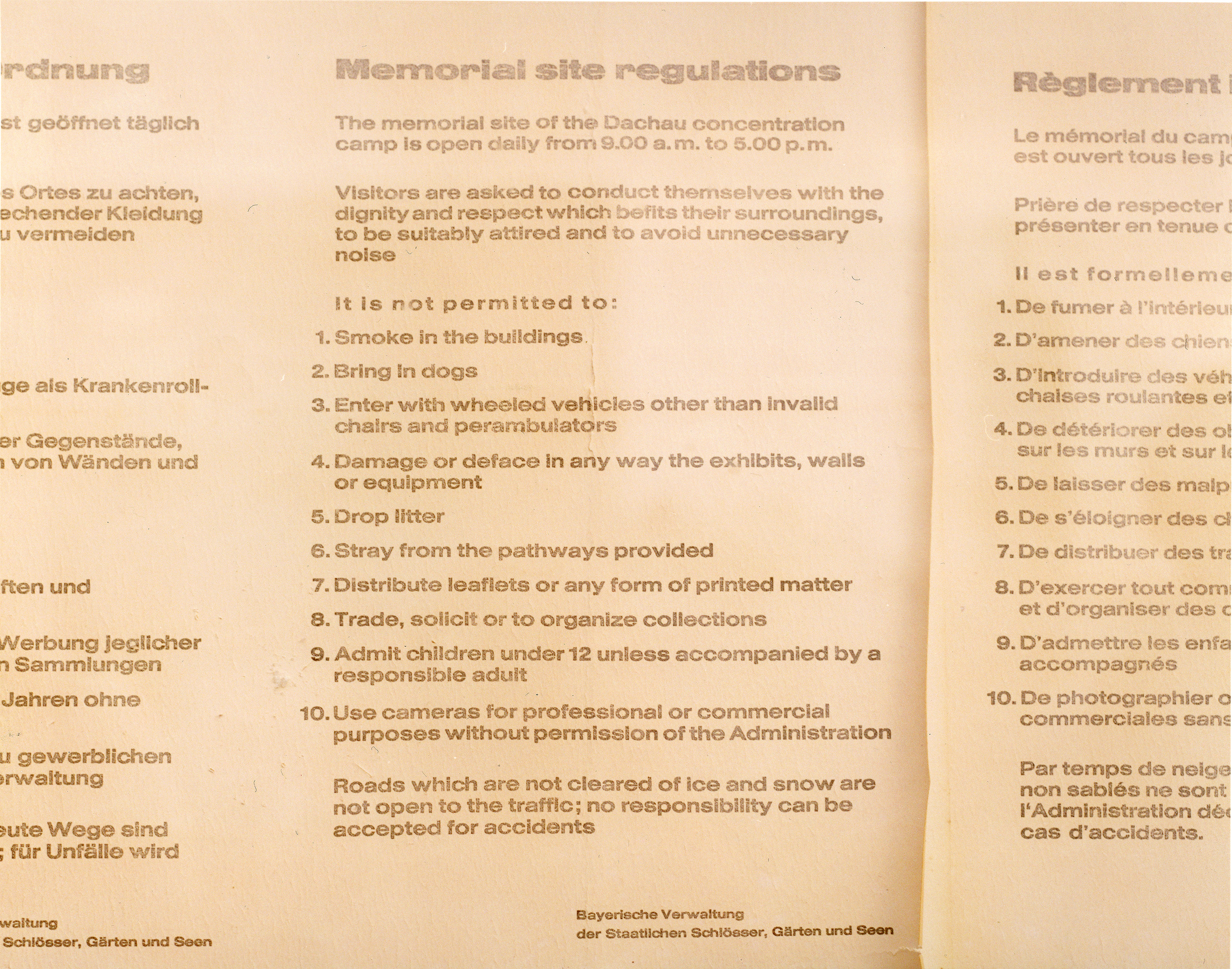
The concentration camp at Dachau was the first of its kind and served as a prototype for subsequent ones. It was opened in 1933 and is located near Munich. Although Dachau is often referred to as a work camp, it was a death camp insofar as labor and starvation rations were a form of extermination. In addition, the famous gas chamber disguised as a shower room was completed in 1942 and is currently labeled as having not been in use for the three years before liberation, even though, according to many sources, it was in fact used. In 1945 the camp was liberated by the US army and later the Dachau war crimes trials were held there. Refugees and displaced persons lived in the prisoners’ barracks, some for as long as 18 years until the memorial site at Dachau was consecrated.
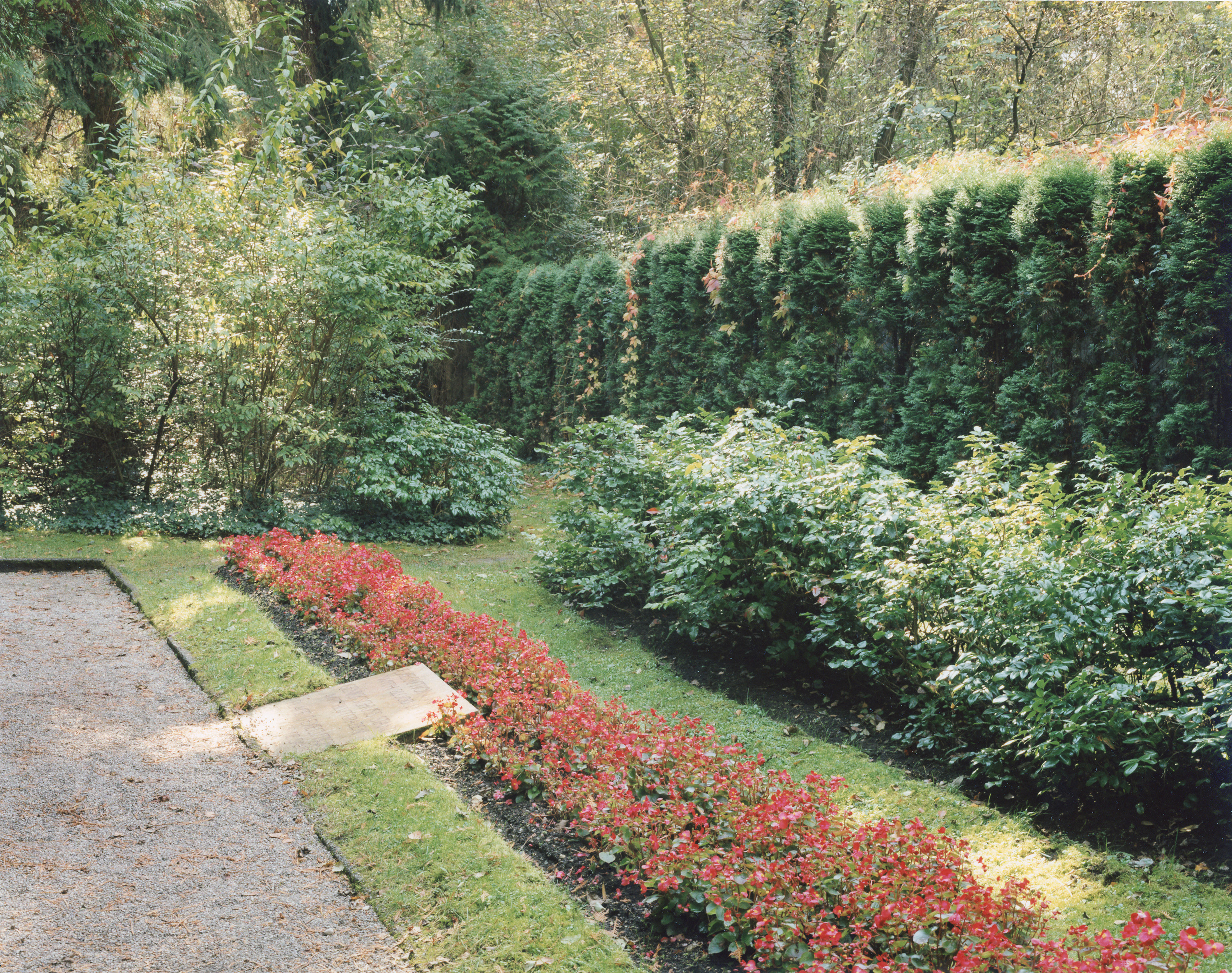
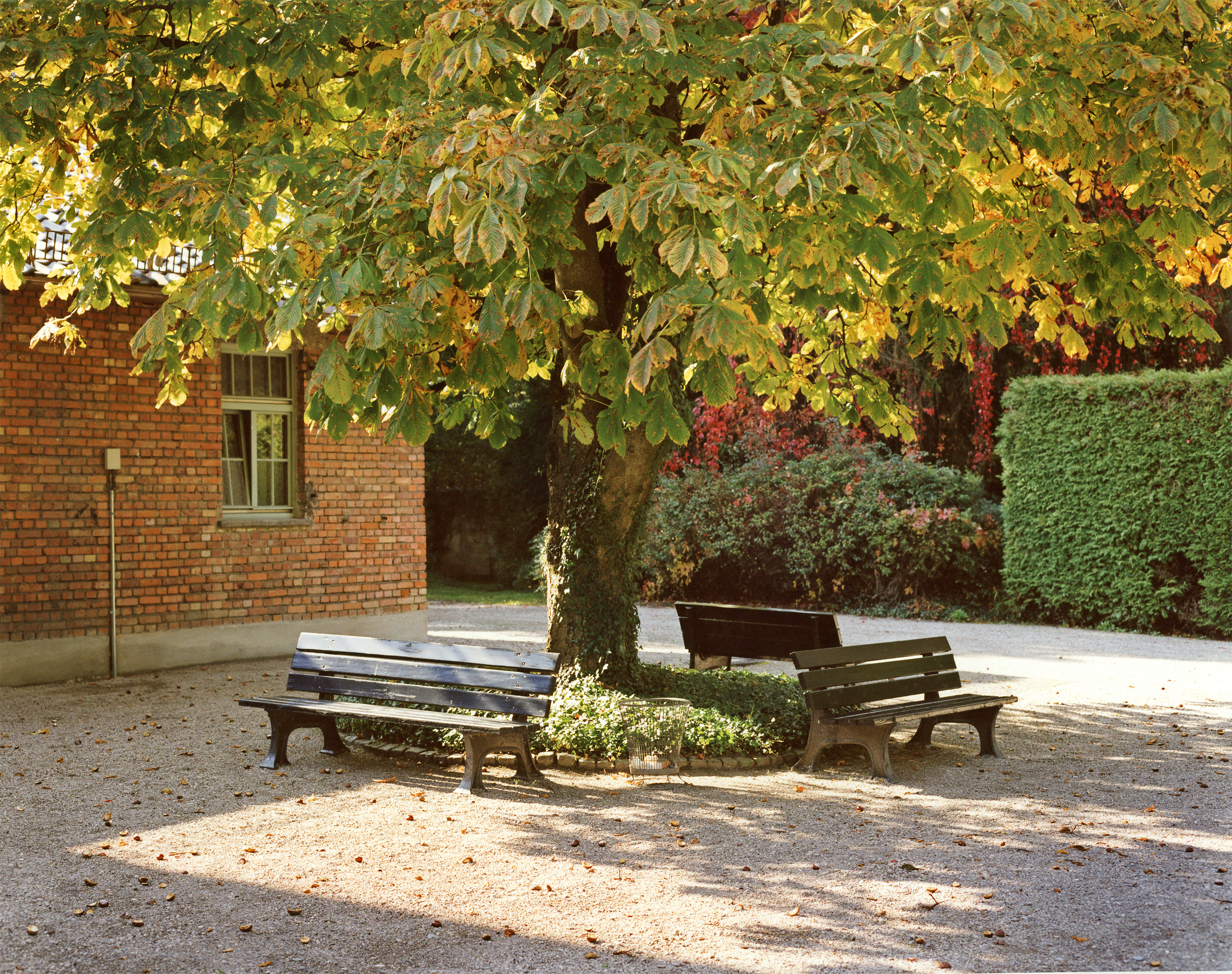
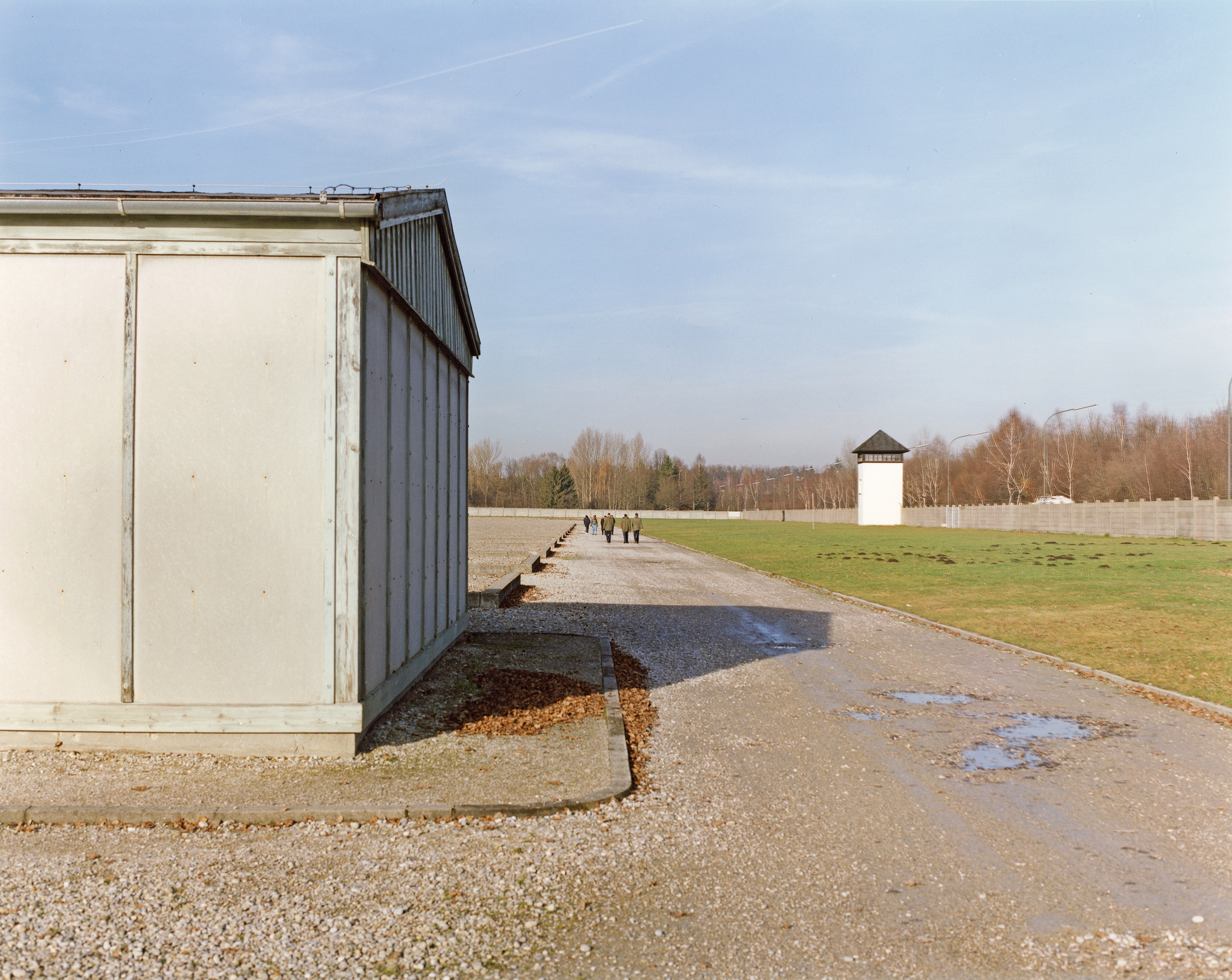
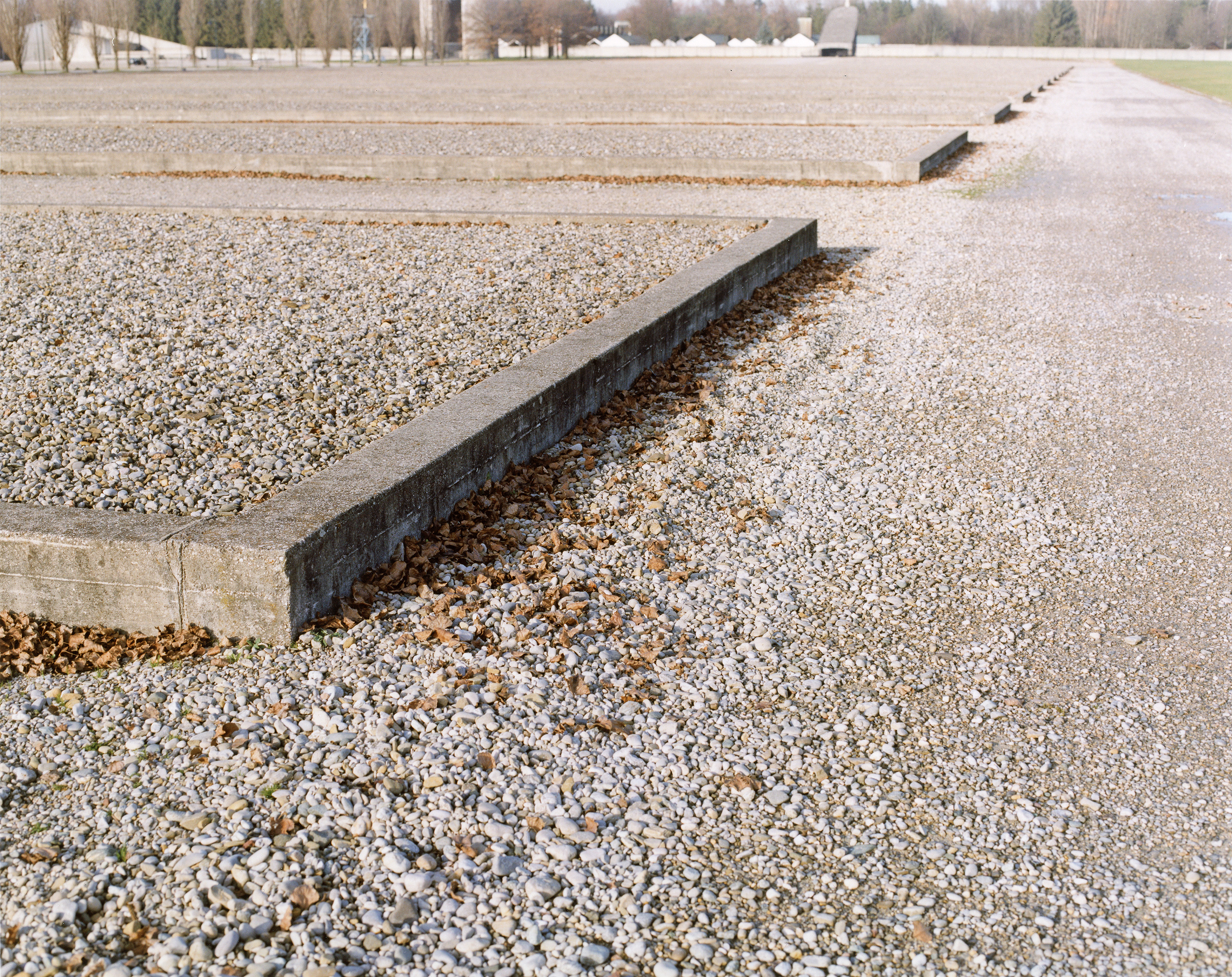
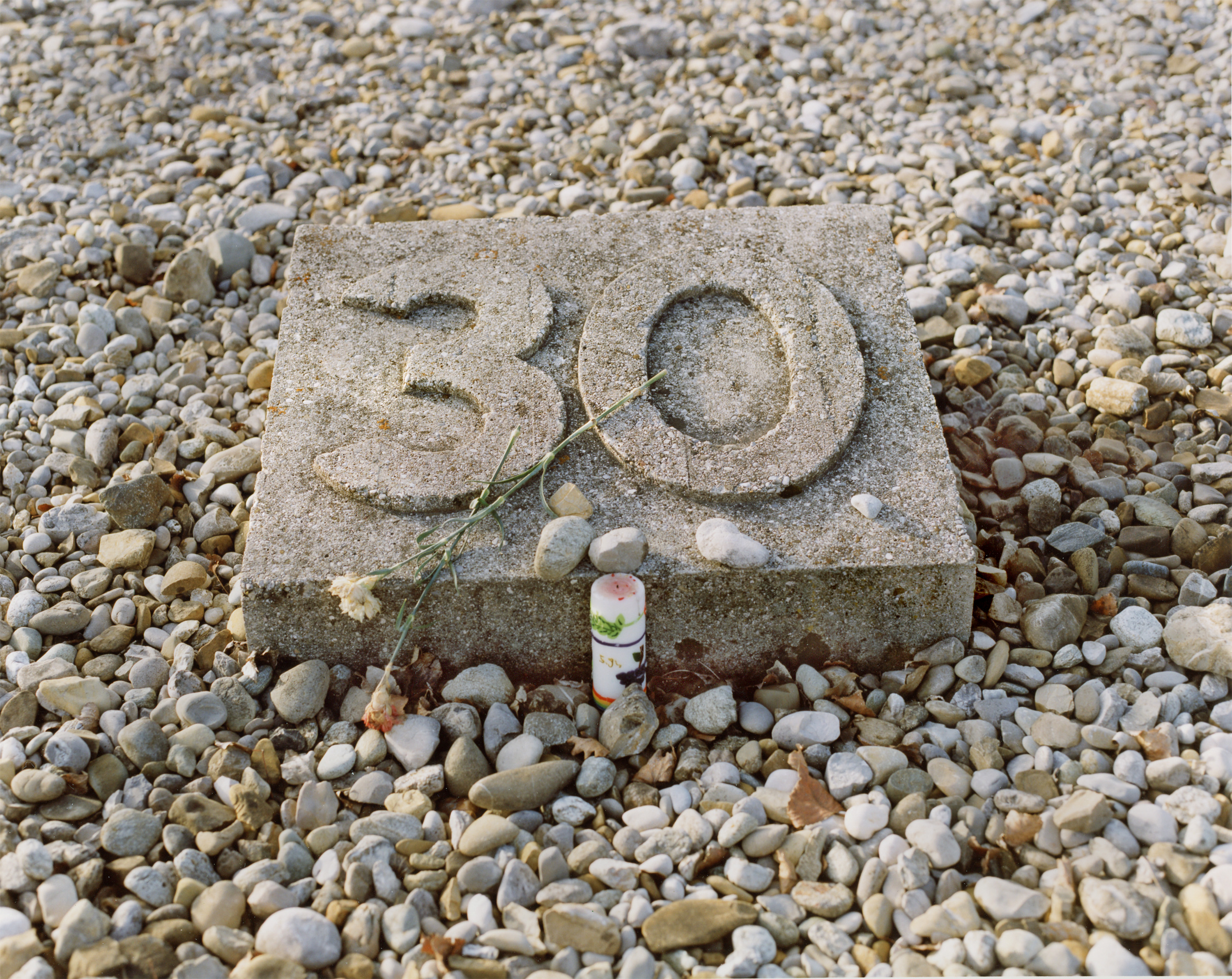
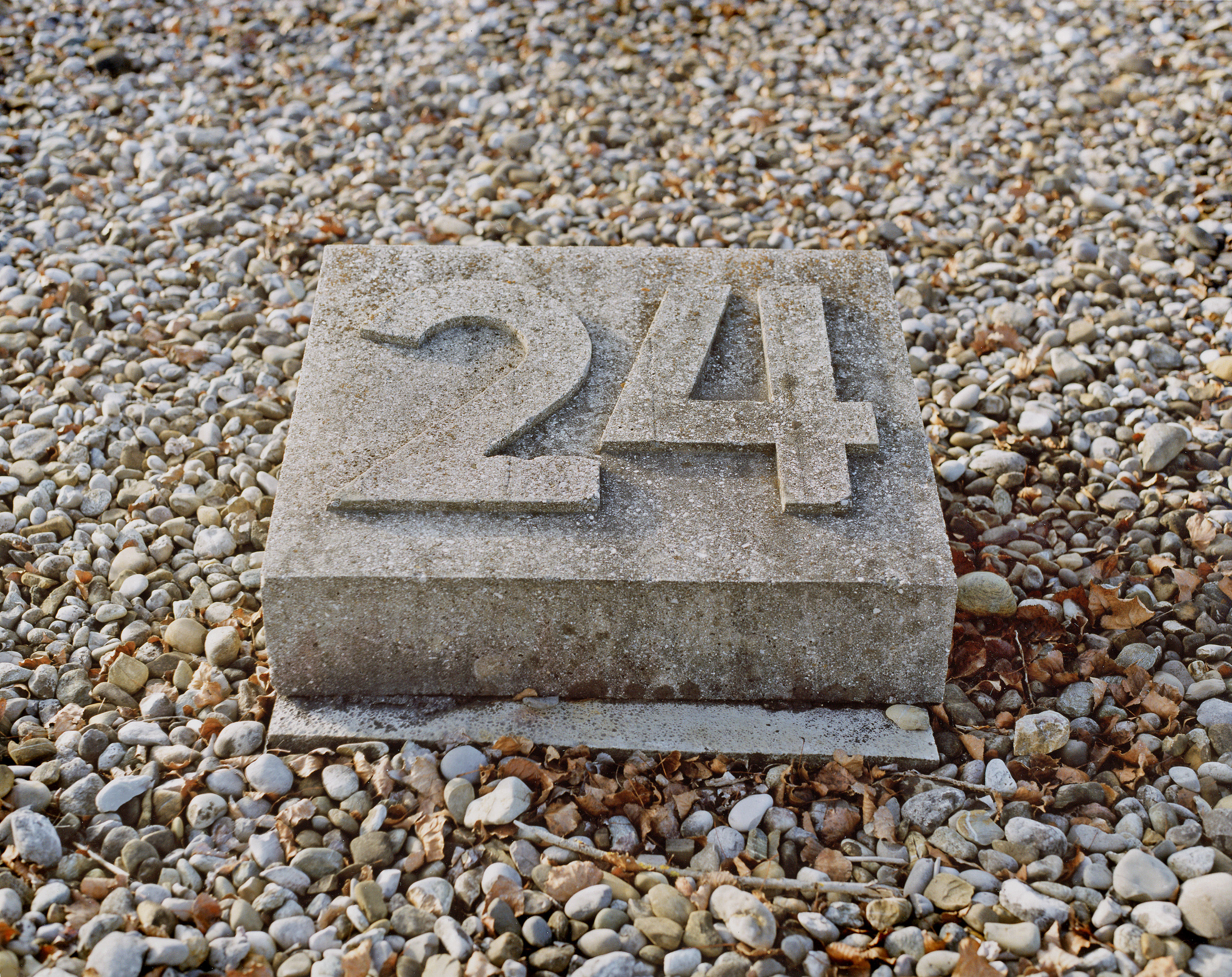
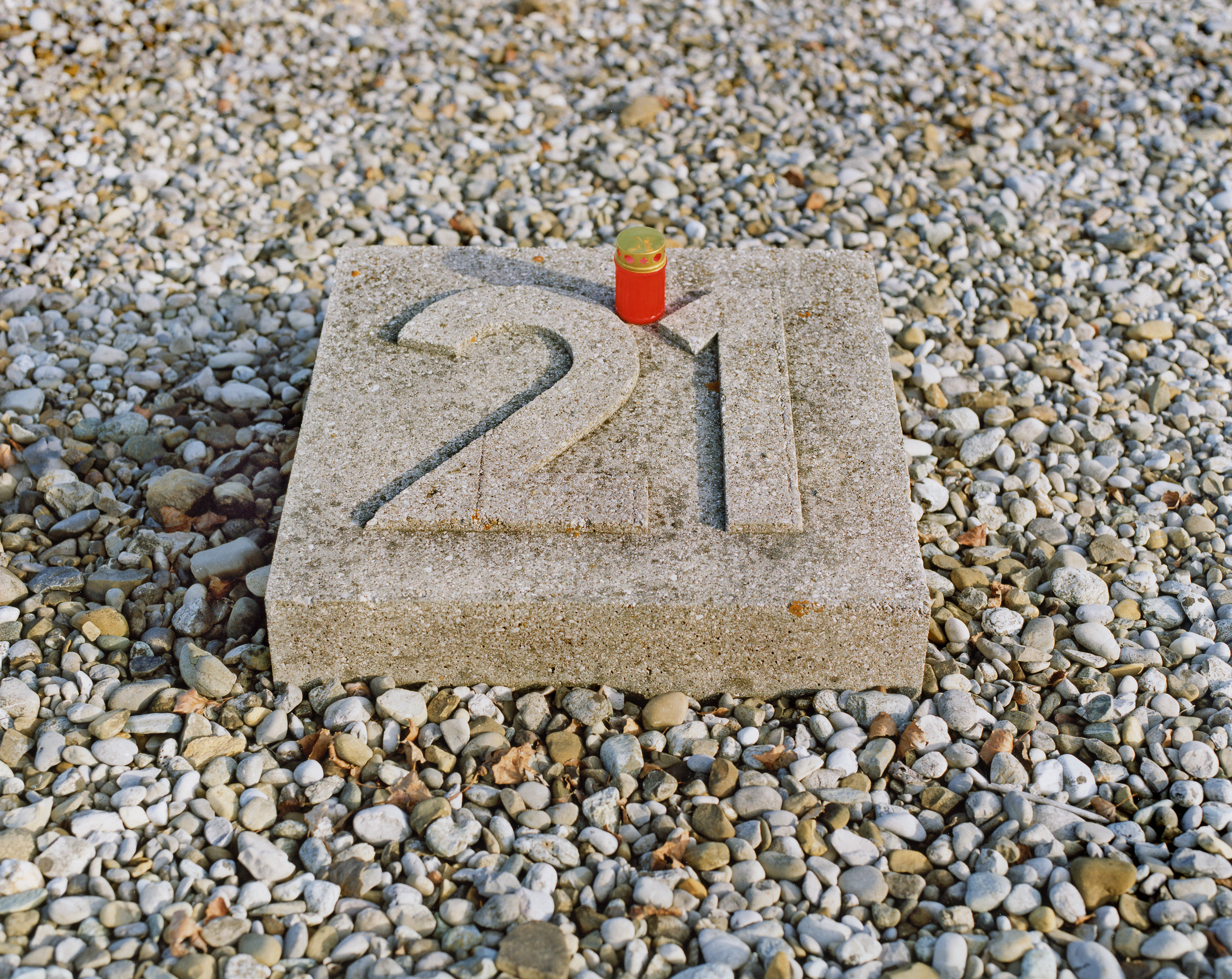
Often the very techniques used to memorialize specific areas of the site hide or even destroy the visible links to the past. For example, part of the creation of the memorial involved the destruction of the thirty barracks; two barracks were subsequently reconstructed for exhibit. Also, several areas that were once functionally part of the concentration camp are excluded from the memorial site: much of the farmland has in recent years been developed for low-income housing and the former SS headquarters complex is off-limits to the public as it now serves as a police training school.
Andrea Robbins and Max Becher 1994


 Swipe to view images
